




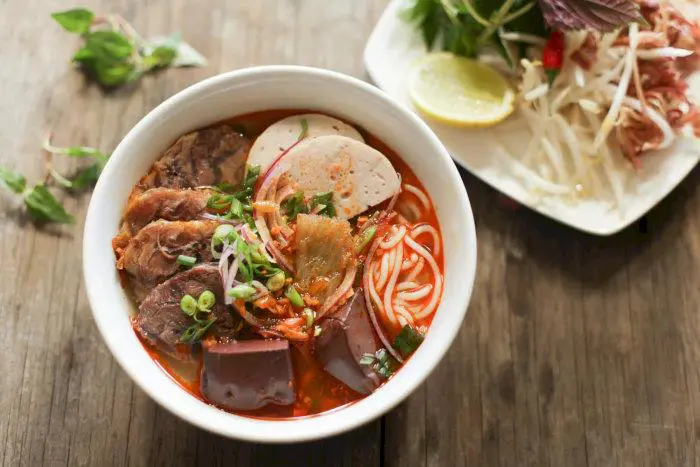

Bun Bo Hue: The Traditional Beef Noodle Soup of Vietnam
Bun bo Hue is a beloved Vietnamese dish enjoyed throughout the country, from Hanoi in the north to Ho Chi Minh City (Saigon) in the south. However, nothing quite compares to the authentic flavor of traditional bun bo Hue in its birthplace, the ancient imperial capital of Hue in central Vietnam.
The dish even caught the attention of the late American celebrity chef Anthony Bourdain, who featured it on his travel and food series Parts Unknown. He famously praised the soup, saying, “In my way of thinking, in the hierarchy of delicious, slurpy stuff in a bowl, Bun bo Hue is at the very top.” In 2016, bun bo Hue was also listed among the Top 100 Best Asian Foods by the Asian Records Organisation.
With its rich, aromatic broth, tender beef, chewy rice vermicelli, and distinctive spicy kick, bun bo Hue offers a memorable introduction to the culinary traditions of central Vietnam.
The Secret Behind Traditional Bun Bo Hue
Today’s bun bo Hue is the result of generations of experimentation and refinement by the people of Hue. Although the dish has evolved over time, its defining characteristics remain the same: flavorful broth, quality ingredients, thick rice vermicelli, and the unmistakable aroma of lemongrass and fermented shrimp paste.
One of the most important components is the rice vermicelli, known locally as bun. The noodles should be soft yet slightly chewy, with a pleasant texture that absorbs the flavorful broth without becoming mushy.
Producing traditional rice vermicelli requires considerable skill and effort. For this reason, many bun bo Hue vendors source their noodles from Van Cu and Bao Vinh, two traditional noodle-making villages located a short distance from the center of Hue. Van Cu Village, in particular, is known for its long history of noodle production, which is said to span approximately 400 years.
The Essential Ingredients
The main ingredients in bun bo Hue include beef, pork hocks, thick rice vermicelli, fermented shrimp paste, lemongrass, and a variety of fresh herbs and vegetables. Fresh chili and lime are typically served on the side, allowing diners to adjust the flavor to their liking.
Traditionally, a bowl of bun bo Hue was relatively simple, featuring beef and pork hocks alongside the signature broth and noodles. Over time, however, additional ingredients were introduced to suit changing tastes and regional preferences.
Today, depending on the restaurant, you may find bowls topped with Vietnamese pork sausage, crab sausage, beef tendon, and cubes of congealed pork blood. These ingredients add different textures and flavors, making each bowl a little different from the next.
What Makes the Broth So Special?
The broth is the heart and soul of bun bo Hue. A well-prepared broth should be rich and savory, with natural sweetness extracted from simmered bones and meat. Lemongrass adds a fresh, citrusy aroma, while chili provides warmth and depth.
The ingredient that truly distinguishes bun bo Hue from other Vietnamese noodle soups is fermented shrimp paste, known as mam ruoc. This pungent seasoning is an essential part of Hue’s culinary identity.
Using shrimp paste requires a delicate touch. Too much can overpower the other ingredients, while too little may leave the broth without its characteristic depth. When balanced properly, it creates a distinctive savory flavor that locals associate with the traditional cuisine of Hue.
A good bowl of bun bo Hue brings together these elements in harmony: the sweetness of the bones, the fragrance of lemongrass, the savory richness of shrimp paste, and the gentle heat of chili.
A Dish That Reflects the Seasons
Like many traditional Vietnamese dishes, bun bo Hue can vary according to local preferences, weather, and seasonal ingredients. Some cooks adjust their seasonings throughout the year to create a bowl that feels especially satisfying in different conditions.
In spring, fresh herbs and leafy vegetables can bring a lighter, more refreshing character to the meal. During the cooler winter months, a hot bowl with a more pronounced aroma of lemongrass and a richer, spicier broth can be particularly comforting.
When summer arrives, some diners prefer a lighter balance of flavors, accompanied by fresh vegetables and herbs. On rainy days, few things are more inviting than a steaming bowl of bun bo Hue, with the fragrant aroma of lemongrass mingling with chili and fermented shrimp paste.
Although recipes differ from one cook to another, the goal remains the same: to create a balanced bowl that is flavorful, satisfying, and unmistakably Hue.
More Than Just a Bowl of Noodles
Bun bo Hue represents much more than a popular Vietnamese dish. It reflects the culinary traditions, creativity, and cultural identity of the people of Hue.
Every bowl combines carefully prepared ingredients with distinctive regional flavors. The result is a dish that is aromatic, spicy, savory, and deeply satisfying.
While versions of bun bo Hue can be found throughout Vietnam and in Vietnamese restaurants around the world, tasting it in Hue offers a special opportunity to experience the dish in its cultural home.
Interestingly, some of the most memorable bowls are not served in luxurious restaurants. Instead, you may discover exceptional bun bo Hue at humble neighborhood eateries and street stalls, where local cooks prepare the soup using recipes refined over many years.
Bun bo Hue is traditionally enjoyed for breakfast, but it is equally satisfying for brunch, lunch, or dinner.
If you are visiting Hue, trying an authentic bowl of bun bo Hue should be high on your food itinerary.
Where to Eat Bun Bo Hue in Hue
Hue is home to many excellent bun bo Hue restaurants, from long-established family-run eateries to small street vendors serving breakfast to local residents. Prices vary depending on the portion size, meat toppings, and location.
In 2026, expect to pay approximately VND 30,000–60,000 for a bowl of bun bo Hue at many local eateries. Special bowls with extra meat, pork hock, and crab sausage may cost more.
Here are five places to consider when visiting Hue.
1. Quán Bún Bò Mỹ Tâm
Bún Bò Mỹ Tâm is a well-known noodle shop in central Hue, popular with locals and visitors looking for a satisfying bowl of traditional beef noodle soup. The menu includes different combinations of meat and toppings, while the broth features the characteristic flavors of lemongrass and Hue-style seasonings.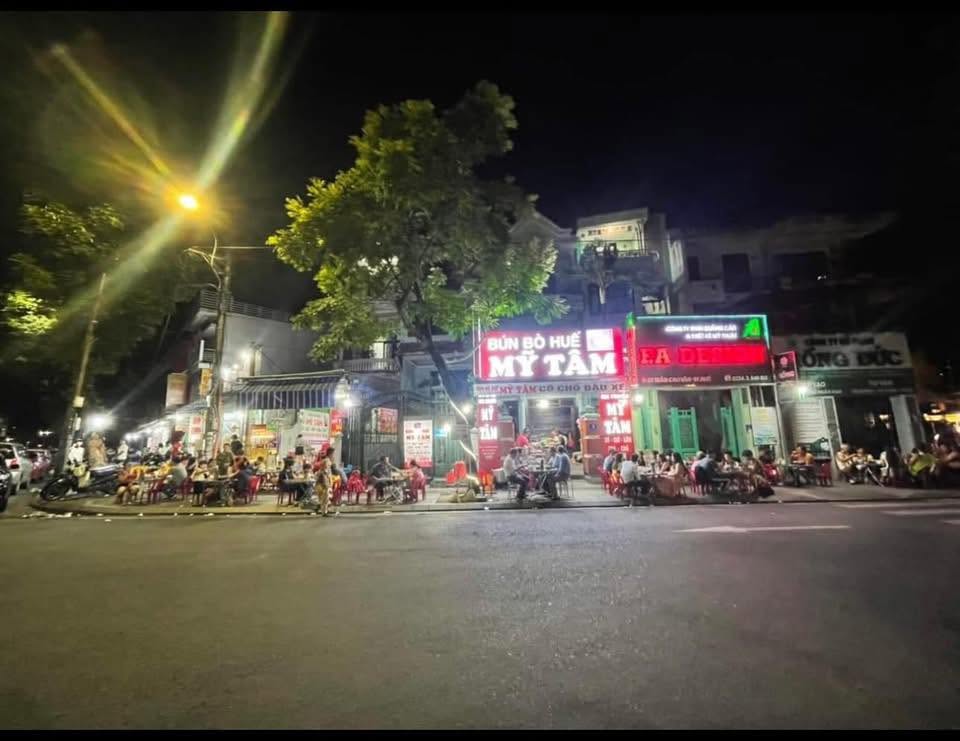
Address: 3–5 Tran Cao Van Street, Hue
Opening hours: Hours vary by listing; confirm before visiting. The restaurant has been reported to serve customers into the evening and late at night.
Estimated price: VND 30,000–60,000 per bowl
2. Quán Bà Tuyết
Bún Bò Bà Tuyết is a popular breakfast destination on Nguyen Cong Tru Street. The restaurant serves several variations of bun bo Hue, including bowls with beef, pork, crab sausage, and mixed toppings.
The broth is aromatic and savory, making it a good option for travelers who want to experience Hue’s distinctive noodle-soup tradition.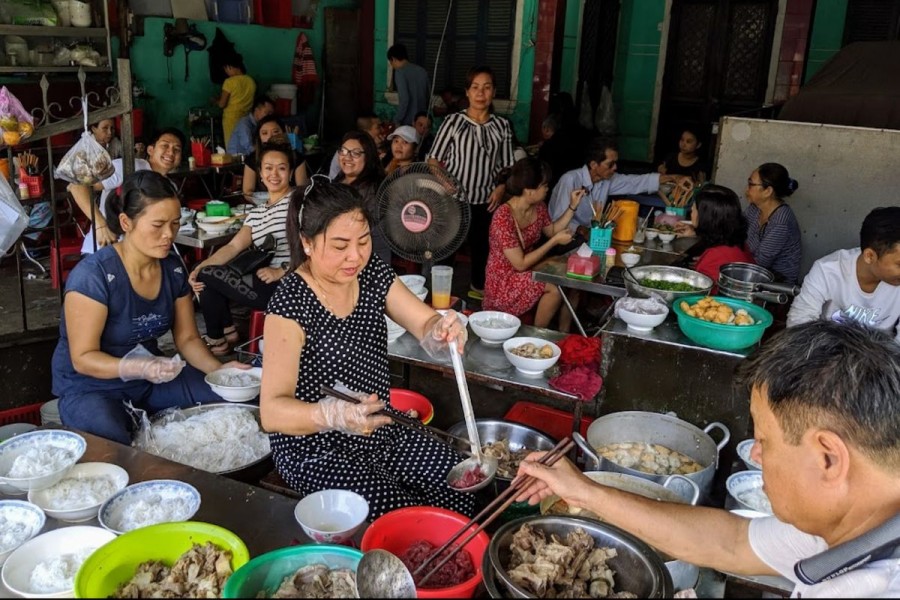
Address: 47 Nguyen Cong Tru Street, Hue
Opening hours: Approximately 6:00 AM–12:00 PM
Estimated price: VND 50,000–100,000, depending on the bowl and toppings
The Hue tourism directory lists this price range, and a February 2026 customer review reported paying VND 50,000 for a special bowl. Confirm the price and bowl size before ordering.
3. Quán Bún Bò Mụ Rơi
Bún Bò Mụ Rơi is a traditional local eatery known for its flavorful broth and generous selection of toppings. The restaurant attracts both residents and visitors who appreciate the bold, aromatic character of Hue-style noodle soup.
Depending on availability, bowls may include beef, pork, beef tendon, and crab sausage. Arriving early is recommended because many traditional noodle shops in Hue finish serving before midday.

Address: 40 Nguyen Chi Dieu Street, Hue
Opening hours: Approximately 6:30 AM–9:30 AM
Estimated price: VND 30,000–50,000 per bowl
4. Quán Ông Vọng – O Phụng
Quán Ông Vọng – O Phụng is a small local eatery specializing in bun bo Hue. Its broth is known for its pronounced lemongrass aroma and savory flavor, while the bowls typically feature beef and other traditional toppings.
Unlike many breakfast-focused bun bo Hue restaurants, this establishment is associated with afternoon and evening dining.

Address: 14 Nguyen Du Street, Hue
Opening hours: Approximately 2:30 PM–8:30 PM; hours may vary
Estimated price: VND 35,000–50,000 per bowl
Recent business listings identify the restaurant at 14 Nguyen Du Street rather than the No. 5 Nguyen Du address given in some older articles.
5. Quán Bún Mệ Kéo
Bún Mệ Kéo is one of Hue’s best-known traditional noodle vendors. Its distinctive broth has a strong aroma of lemongrass and fermented shrimp paste, creating a bold flavor that sets it apart from many other versions of bun bo Hue.
The restaurant is particularly famous for its traditional selection of toppings, including pork belly, crab sausage, and congealed pork blood. Unlike many other establishments, its signature bowl does not necessarily include beef.
The eatery is especially popular in the morning, so arriving early is a good idea.

Address: 20 Bach Dang Street, Hue
Opening hours: Approximately 6:30 AM–11:00 AM
Estimated price: VND 30,000–60,000 per bowl
Published price estimates vary considerably, with some older guides listing prices below VND 35,000 and more recent travel guides reporting prices as high as VND 60,000.
How Much Does Bun Bo Hue Cost in 2026?
As a general guide, budget the following amounts when eating bun bo Hue in Hue:
- Basic bowl at a local eatery: VND 30,000–40,000
- Regular bowl with additional toppings: VND 40,000–50,000
- Special bowl with multiple meats and toppings: VND 50,000–70,000 or more
These are estimated budgeting ranges, not guaranteed menu prices. Actual prices vary by restaurant, portion size, and toppings. Check the menu or confirm the price before ordering, particularly at popular tourist-area restaurants.
For the best experience, visit a traditional local eatery early in the morning, when the broth is freshly prepared and the noodles are served hot.
Final Thoughts
Bun bo Hue is one of the most distinctive dishes in Vietnamese cuisine. Its combination of thick rice vermicelli, tender meat, aromatic lemongrass, fermented shrimp paste, and spicy broth creates a flavor profile that is difficult to forget.
Although you can find bun bo Hue in cities throughout Vietnam, eating it in Hue allows you to experience the dish in the place where its culinary traditions developed.
From bustling breakfast stalls to family-run restaurants, the ancient imperial capital offers plenty of opportunities to discover different interpretations of this beloved noodle soup.
Whether you prefer a rich and savory broth, a generous selection of toppings, or an extra-spicy bowl, bun bo Hue is a must-try dish for anyone interested in Vietnamese food.
When visiting Hue, make time to sit down with a steaming bowl of bun bo Hue and discover why this regional specialty has earned such a devoted following.